
Opening Hook
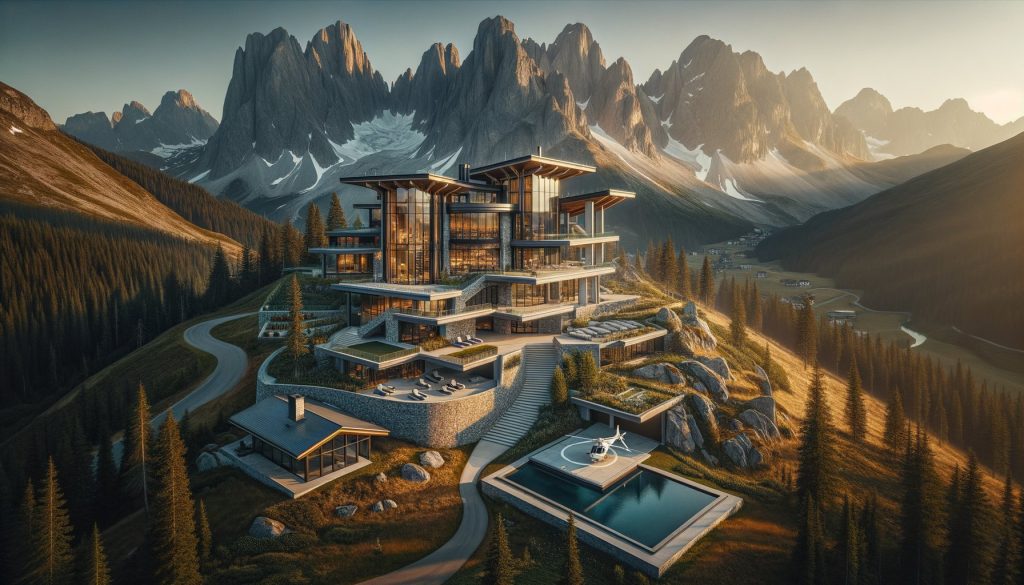
In the heart of the Rocky Mountains, a Fortune 500 executive retreats to a secluded estate. This isn’t a vacation home for ski trips or summertime hikes. Rather, it’s a meticulously planned, ultra-premium retreat property: a safe haven designed for ensuring his family’s security and comfort during times of economic or social upheaval. It’s a world away from the corporate boardroom, and yet, in many ways, it’s an extension of it, reflecting the same strategic foresight required in business.
This scenario isn’t a Hollywood script; it’s a growing trend among the world’s wealthiest. From tech moguls to hedge fund managers, more high-net-worth (HNW) individuals are investing in remote retreat properties, moving beyond traditional disaster preparedness towards a more comprehensive, sophisticated survival solution.
The Executive’s Dilemma
Standard preparedness strategies often fail to meet the unique needs of HNW individuals. A basic survival kit, while useful, does not address the complexities of maintaining a high standard of living during times of instability. Similarly, off-the-shelf solutions lack the customization required to secure high-value assets, protect privacy, and ensure comfort.
Further, traditional safe havens such as metropolitan penthouses, gated communities, or overseas properties may offer luxury but lack the self-sufficiency and security features vital during a crisis. Their urban locations make them vulnerable to infrastructure breakdowns, supply chain disruptions, and social unrest.
In an increasingly uncertain world, the executive’s dilemma is finding a survival solution that offers both security and sophistication. An option that doesn’t require compromising their lifestyle or privacy.
The Premium Solution
A tailor-made executive retreat property offers a compelling solution. These luxury remote estates are designed with a dual focus: offering a high-end lifestyle and robust security features. They are often located in strategically advantageous, secluded regions, ensuring privacy and natural protection.
The estates are self-sustaining, equipped with off-grid power solutions such as solar arrays and wind turbines. They feature advanced water purification systems, ensuring a constant supply of clean water. The estates also come with state-of-the-art security measures like surveillance systems, reinforced structures, and even private airstrips for quick evacuation, if necessary.
These properties don’t just focus on survival, though. They are designed to provide a high standard of living, with luxury amenities ranging from gourmet kitchens and wine cellars to indoor pools, home theatres, and gyms. They are, in essence, fortified sanctuaries blending the best of luxury living and survival preparedness.
Investment Breakdown
The cost of these retreat properties vary, largely depending on location, size, and customizations. However, an investment of $5 million to $20 million is typical. The timeline for acquiring and customizing such a property can range from a few months to a few years, depending on the extent of the modifications and the remoteness of the location.
The return on investment (ROI) of these properties is twofold. Firstly, they serve as a physical asset that can appreciate over time. Secondly, they offer an invaluable peace of mind, knowing that one’s family and assets are secure during times of uncertainty.
Implementation Steps
The process of acquiring an executive retreat property involves several key steps:
1. Identify Strategic Locations: Work with a real estate advisor experienced in executive retreat properties. They can help identify secluded, strategically advantageous locations that provide natural protection and privacy.
2. Define Your Requirements: Detail your needs, including security features, off-grid capabilities, and luxury amenities. This will guide the design and customization of the property.
3. Secure Financing: As with any real estate investment, secure financing before proceeding. Some HNW individuals may prefer to purchase the property outright, while others may opt for a mortgage.
4. Customize the Property: Work with architects and contractors experienced in building executive retreat properties. They can ensure that the property is both luxurious and secure.
5. Implement a Maintenance Plan: A retreat property requires ongoing maintenance, particularly if it features off-grid systems or advanced security measures. Implement a maintenance plan to ensure the property remains in top condition.
Conclusion
As the world grows more unpredictable, the trend of corporate leaders investing in executive retreat properties is set to continue. These ultra-premium estates offer a sophisticated survival solution, blending luxury living with robust security features. While the investment is considerable, the peace of mind they provide is priceless. For those who can afford it, an executive retreat property is more than a safe haven; it’s a strategic asset for uncertain times.



Leave a Reply