
Your Daily Install connects what’s happening now with a useful pattern from the past—and one simple step you can take today to make your household more resilient.
Print the action worksheet below, fill it in, and add it to your Household Resilience Network binder.
What’s happening now?
On October 15, people around the country joined the Great ShakeOut earthquake drill. The National Weather Service took part, and Mississippi emergency officials reported more than 18 million U.S. registrations before the event.
The drill rehearses what to do while the ground shakes. It also raises the next household question: once it is safe to move, where will you find each other?
That question travels well beyond earthquake country. A fire, evacuation or closed road can keep you from the usual address. “Meet at home” needs a second answer.
Has this happened before?
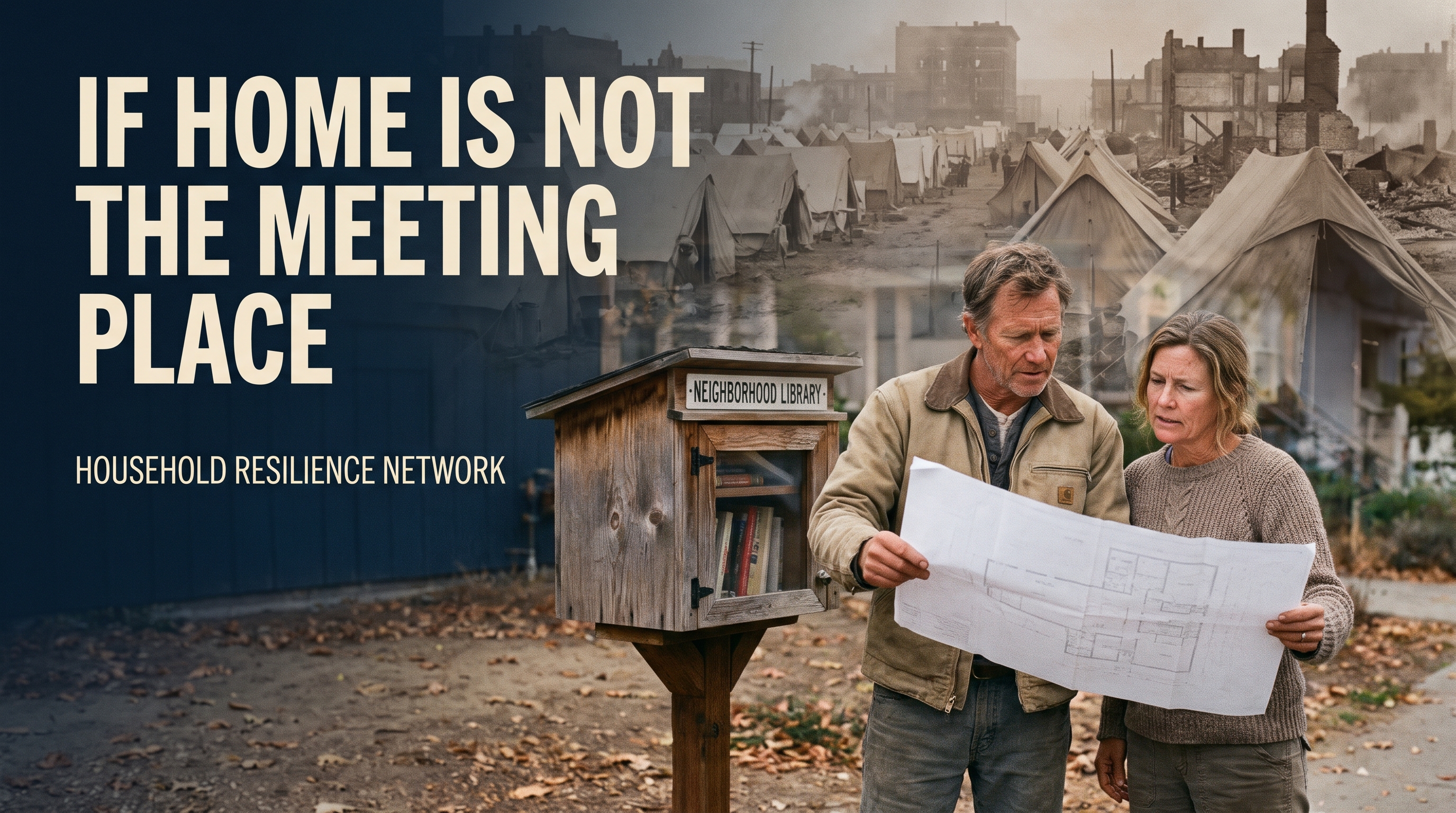
On April 18, 1906, an earthquake struck San Francisco. Then fires spread.
Eleanor Watkins, a surgeon’s wife, later described people crowding Union Square with their belongings. She saw people who had fled the fire and did not yet know she would soon lose her own home.
A familiar city had changed. Going back to the usual address was no longer a simple answer.
What happened next?
As fire pushed people west, parks and the Presidio became places to find food and shelter. The Army organized tent camps. At the Presidio, tents stood in numbered rows with corner directories.
That turned a patch of open ground into a place people could navigate. As winter approached, relief groups, city parks staff and the Army built small cottages; at their peak, the cottages housed more than 16,000 people.
The response changed as the need changed: a safe place first, then an organized place people could find and live in.
Your household is not running a relief camp. Keep the useful pattern: a backup place needs an exact location and a shared plan. “Somewhere at the park” still leaves people guessing.
“I’ll look it up” works—until it doesn’t.
No signal. A dying battery. And the one thing you need to know is sitting behind a page that will not load.
Put useful answers where the power cannot switch them off.
Open The Lost Frontier Handbook and see the food, water and household skills you could keep within reach.
What can I do?
Use 10 minutes for a household talk. Choose one safe meeting place just outside home for a quick exit, and one outside your neighborhood if you have to leave the area.
Name the exact spot. Check access needs and how each person would get there. Follow official directions during an emergency; never go into danger just to reach a meeting place. Keep school and workplace reunification rules with your plan.
Have each person repeat both locations back. Then give them a paper copy or save the same note on each phone. That check turns “we talked about it” into a plan people can use.
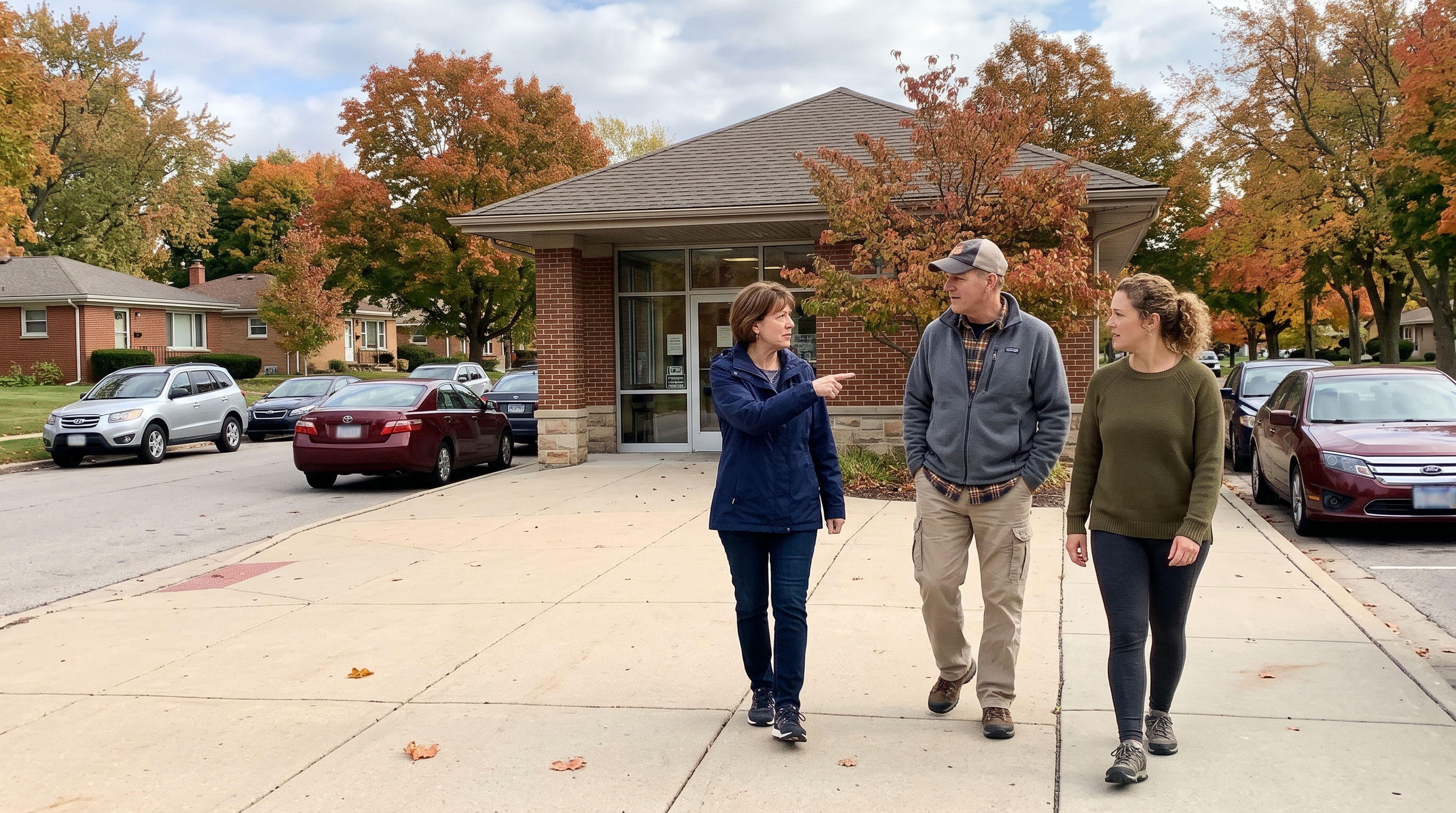
Illustrative planning walk. Pick an exact landmark everyone can identify.
Our Two Meeting Places
Print, fill in and file under People & Plans. Fill this in together. Give each person a copy.
1. If we leave home quickly
Safe nearby place:
Exact spot / landmark:
2. If we cannot return to the neighborhood
Backup place:
Exact spot / landmark:
How we can get there safely: _________________
Access needs to plan for:
3. Share the same plan
☐ Each person named both places back
Out-of-area contact / phone:
People who have a copy:
☐ School / work plans checked
If a place is unsafe, we will follow official directions
and contact our shared contact when possible.
Review together on:
4. Spot the pattern
What other plan depends on one place being available?
Do not enter an unsafe area or ignore evacuation orders to reach a meeting place. Keep copies where family members can reach them.
Today’s win: two places agreed, repeated back and shared. If one address becomes unavailable, everyone starts with the same backup.
Put part of dinner closer than the store.
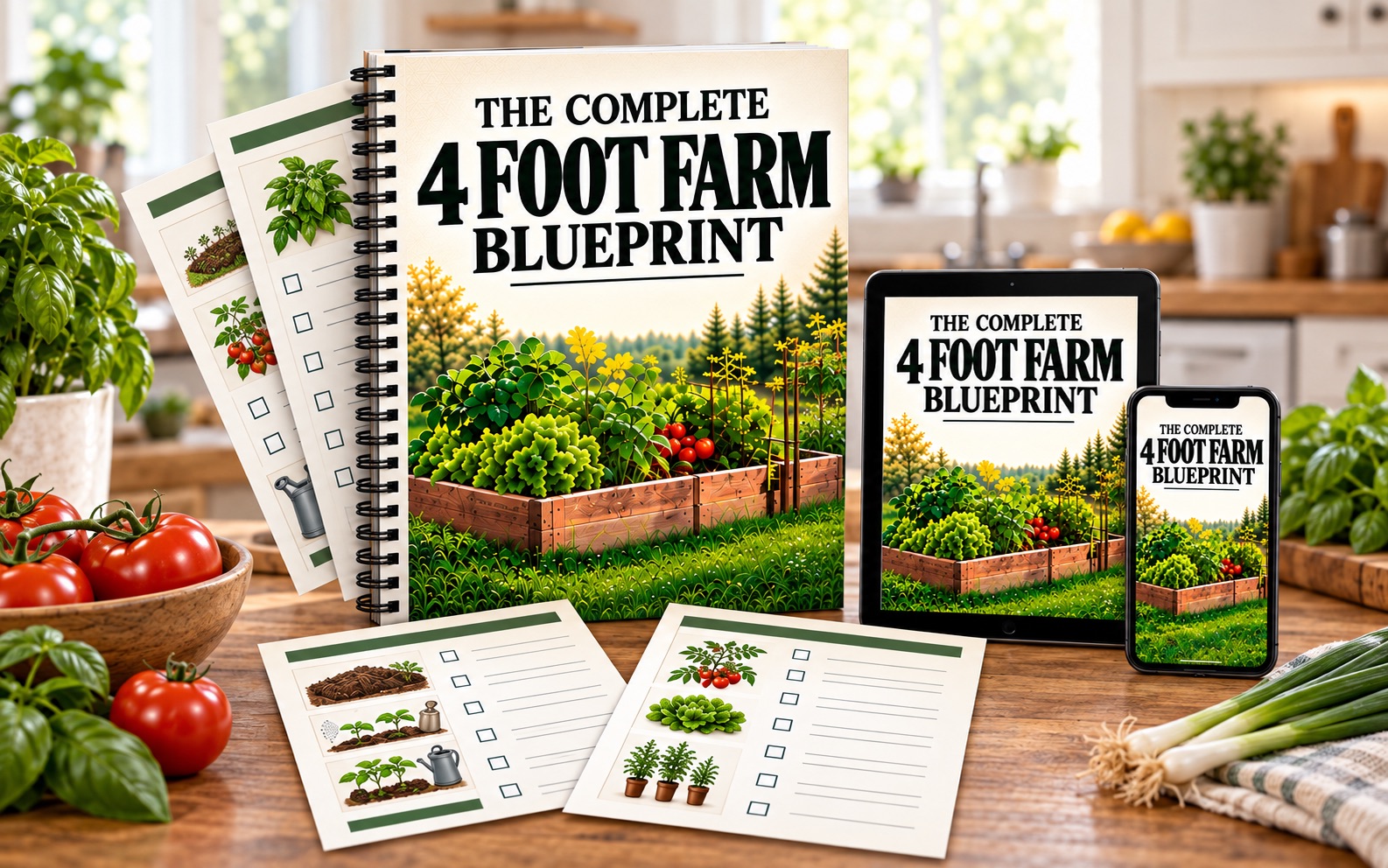
Another trip for greens, herbs or tomatoes. Wouldn’t it feel good to pick a little at home instead?
You do not need a big yard to take the first step. Our friends at 4 Foot Farm show small-space food setups in the COMPLETE Blueprint, with pictures to follow and indoor options using a simple grow light.
See where to begin with one food your household already eats.
| Tap Here to See the COMPLETE Blueprint → |
Stay steady,
Jordan Davies
The Ready Report
P.S. Could everyone name your backup place? Ask them, then hit reply: “yes” or “we need to talk.” Forward this to someone making a household plan.