
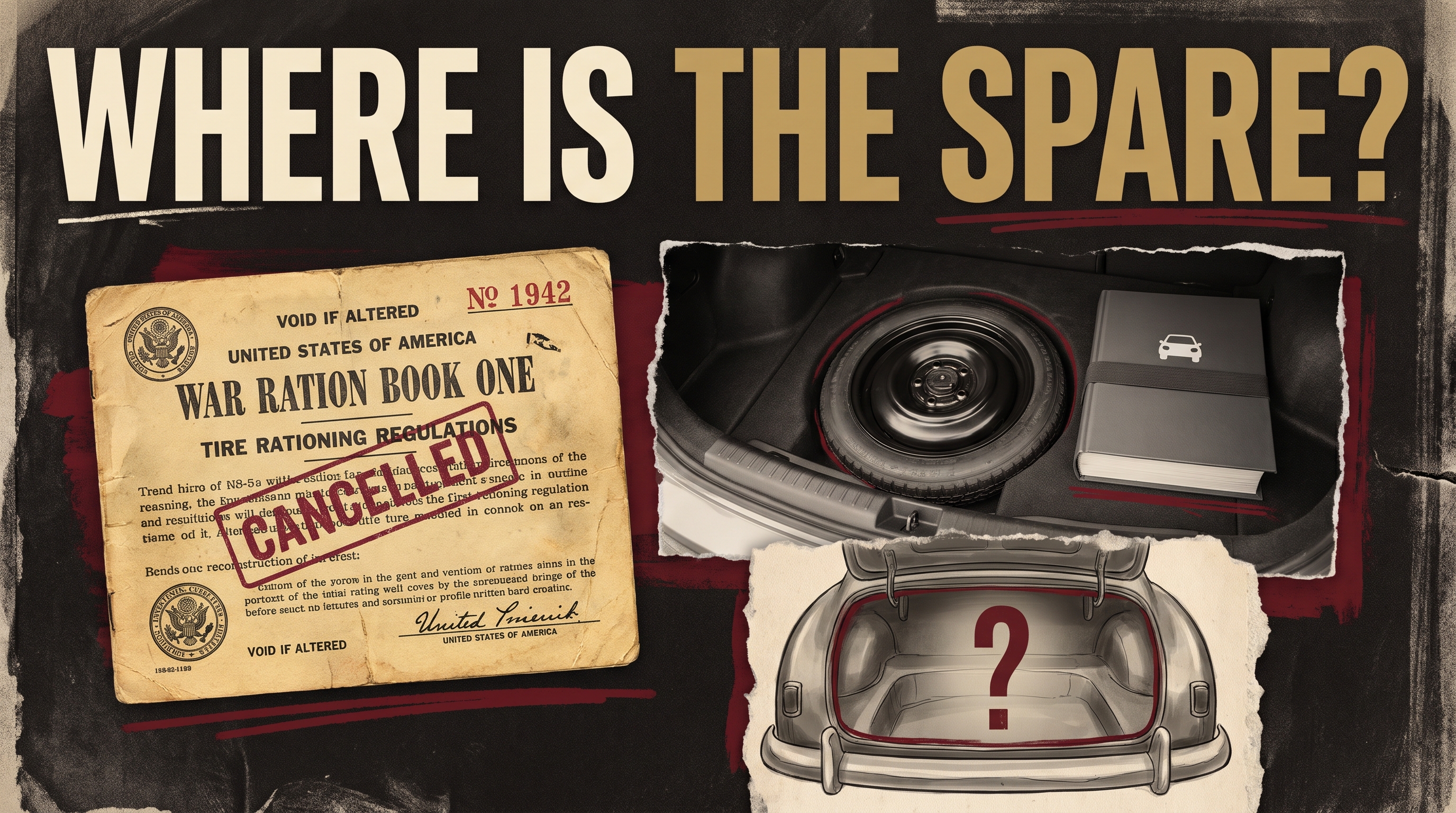
Your Daily Install connects what’s happening now with a useful pattern from the past—and one simple step you can take today to make your household more resilient.
Print the action worksheet below, fill it in, and add it to your Household Resilience Network binder.
What’s happening now?
You hear the thump. Pull over. Open the trunk. Only then do you find out there is no spare tire under the floor.
This week, October 25–31, National Weather Service offices in New York are running Winter Weather Awareness Week. Their advice includes getting vehicles ready before difficult travel. You do not need snow where you live to make this check useful.
Today’s question: what did your car actually come with for a flat? A spare, a repair kit or another setup? Find out at home.
Has this happened before?
In January 1942, tire rationing began in the United States. Wartime demand and rubber shortages changed an ordinary car part into something families had to protect.
Civilian drivers were generally allowed five tires: four on the car and one spare. Tire records and local ration boards became part of getting a replacement.
Keeping the tires you already owned in usable shape mattered more when you could not simply buy another whenever you liked.
What happened next?
Drivers were urged to conserve tires, and retreading helped extend their use. The spare was part of the plan—not just a forgotten object in the trunk.
The pattern: a backup only helps when you know what it is and what it can do. Today is not wartime rationing. But an unknown or expired repair kit can still turn a small surprise into a much longer wait.
You know the face. Where did the name go?
You talk around it and hope it comes back. A memory-support video starts with a habit in the kitchen. Which habit—and what does it have to do with the formula?
Tap Here to Watch the Kitchen-Habit Story →What can I do?
Take 10 minutes with the car safely parked at home. Open the owner’s manual to the flat-tire section. Find the spare or repair kit without getting under the car or lifting it with a jack.
If you have a kit, check its sealant date and the manual’s limits. If you have a spare, note its location and the pressure, speed and distance limits in the manual. Ask a tire shop to check anything you cannot safely reach or assess.
Save your roadside-assistance number and check what the service covers. This is a find-and-record task. You do not need to practice a roadside tire change today.
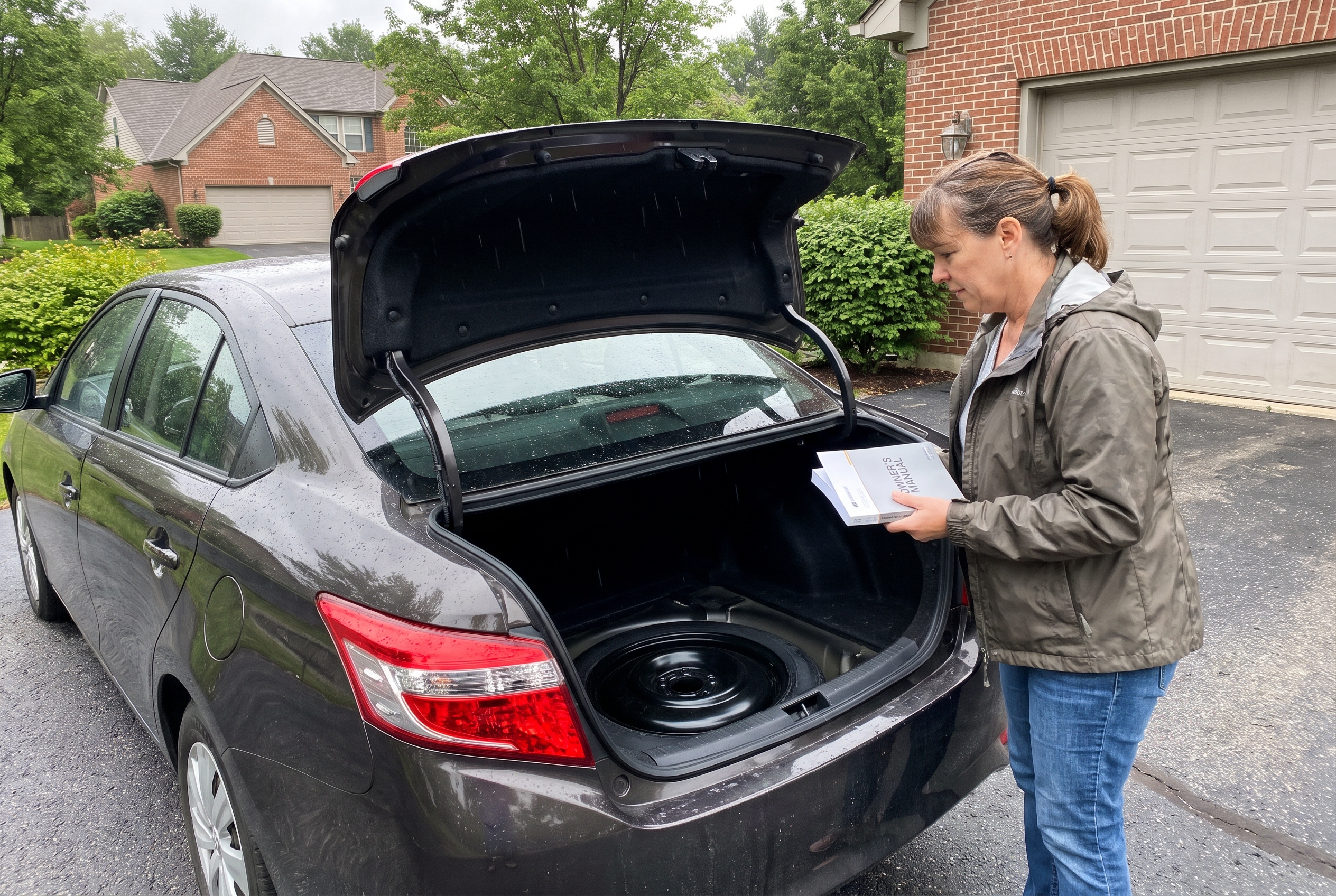
Illustrative household example. Use the worksheet for your own details.
My Flat-Tire Backup Card
Date: __________ File under: Vehicle Readiness
Know what is there
Car / year:
☐ Spare ☐ Repair kit ☐ Other ☐ Need to ask
Location / manual page:
Know the next call
Kit expiry or spare-check date:
Manual limits / question for tire shop:
Roadside number / coverage checked:
Today’s win: You know what your car carries and who you will call if it is not enough.
That “weed” may deserve a second look.
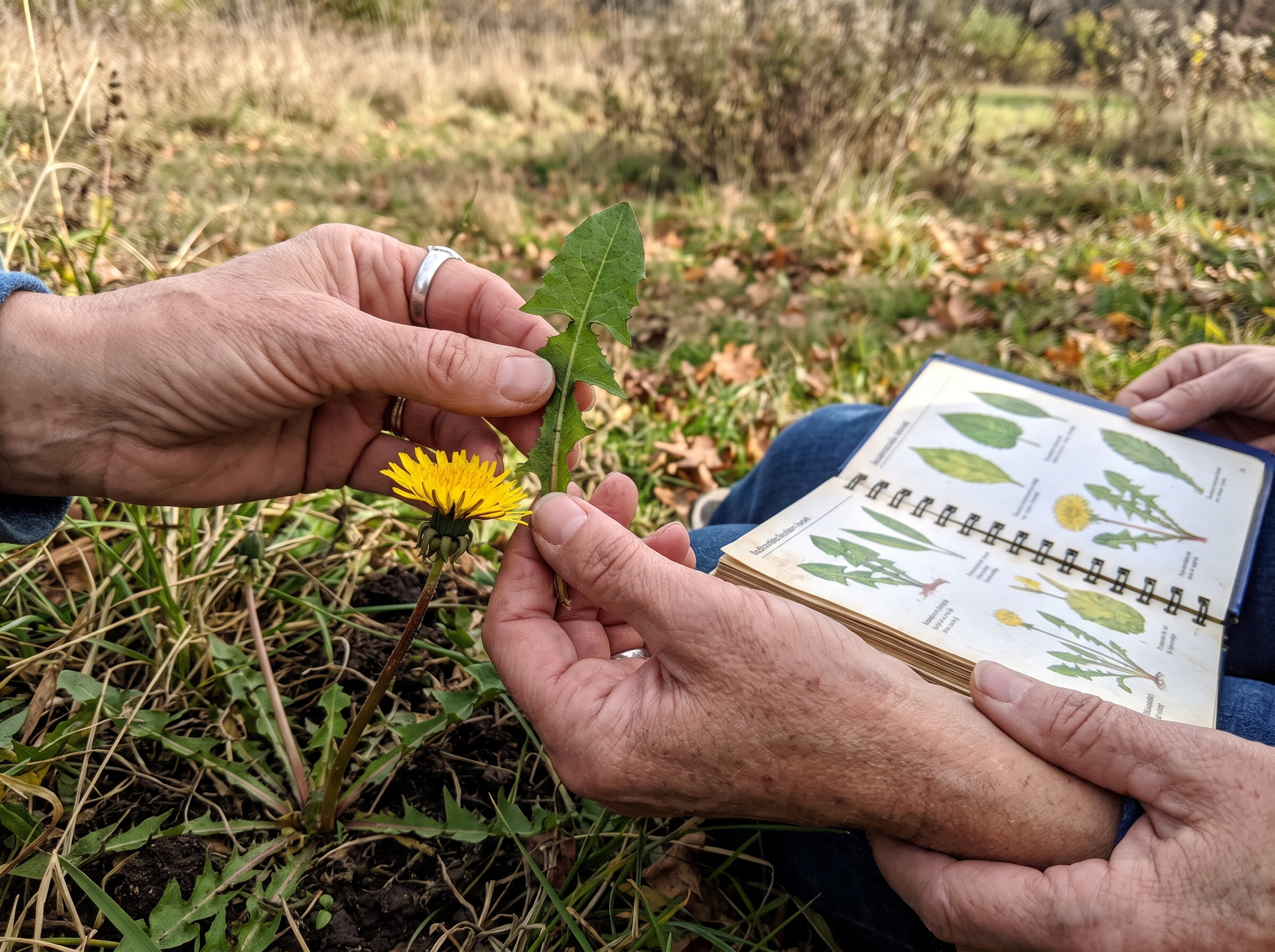
You have walked past it a hundred times. Maybe pulled it by the roots.
What else grows around you that you have never learned to recognize? This wild-food guide uses plant photos and look-alike warnings to help you begin learning.
Start with the yellow flower. See what catches your eye.
| Tap Here to Look Inside the Wild-Food Guide → |
Stay steady,
Jordan Davies
The Ready Report
P.S. Did your car come with a spare or a kit? Reply with which one. Share this with the person who borrows the car.
P.P.S. Another bag of greens. Another trip. Our friends at 4 Foot Farm show how suitable plants can give you more than one picking. What could that change about your next grocery run? Tap Here to See the Grocery-Run Method →