
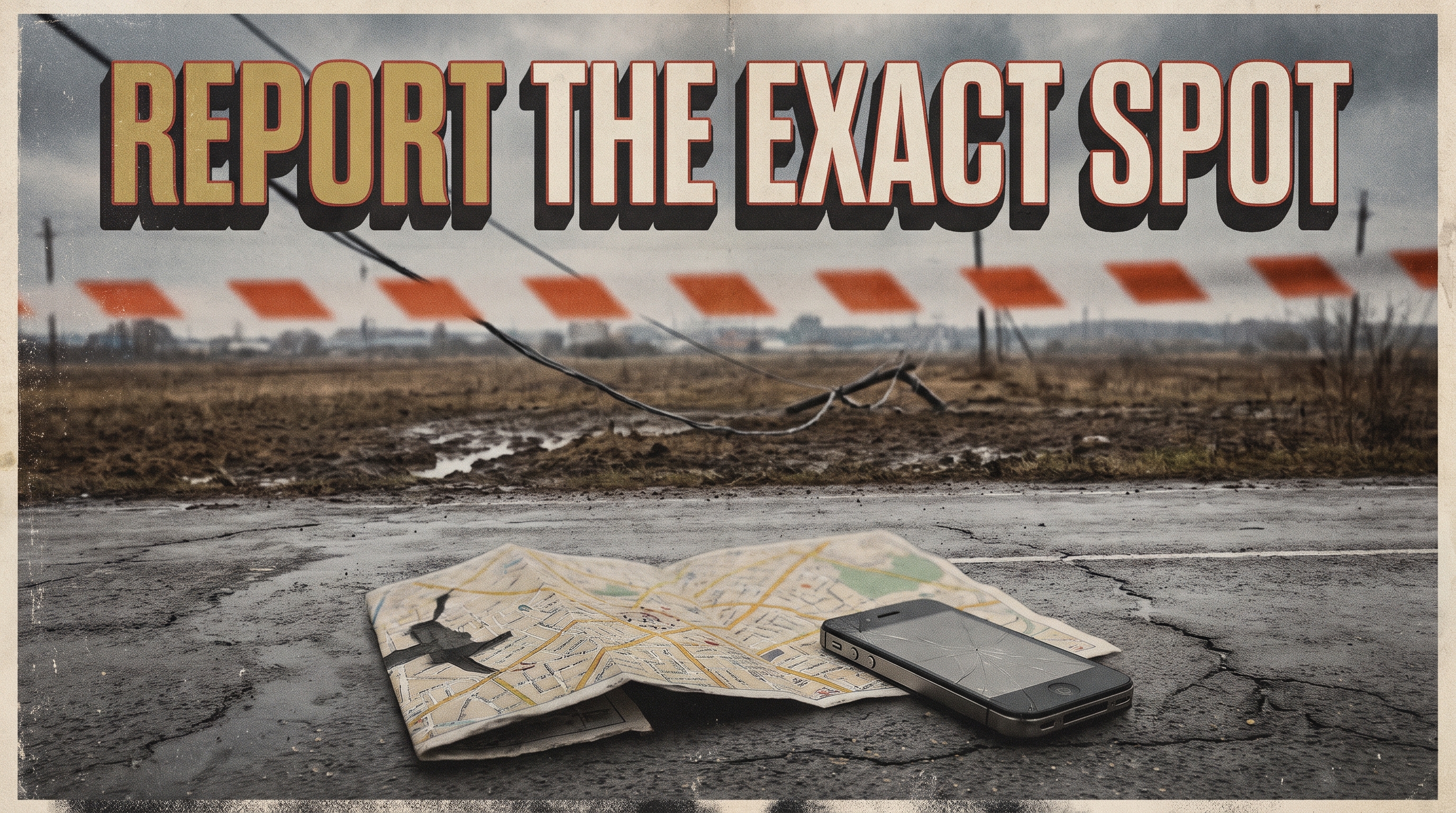
You look out and see a line hanging low across the road. Someone asks where it is. You know the bend by sight, but it takes a moment to think of the street name.
Today’s check takes about 10 minutes.
What do you want to plug in when the lights go out?
Start with a short list of everyday devices, then check what the battery station is built to power.
| See the 2200X Setup → |
Today’s Install
Print the worksheet, fill it in, and add it to your Household Resilience Network binder.
Action brief
Time · About 10–15 minutes
Cost · Use what you already have
Win · You can give a short report without going closer to the line.
What’s happening now?
Indiana’s Winter Weather Preparedness Week begins November 8. Ice and wind can bring down lines. The National Weather Service says to stay well away and report a downed line. Treat it as live. You can give a much better location from a safe place if you know the nearest street or landmark.
Has this happened before?
The long August afternoon when lines met trees
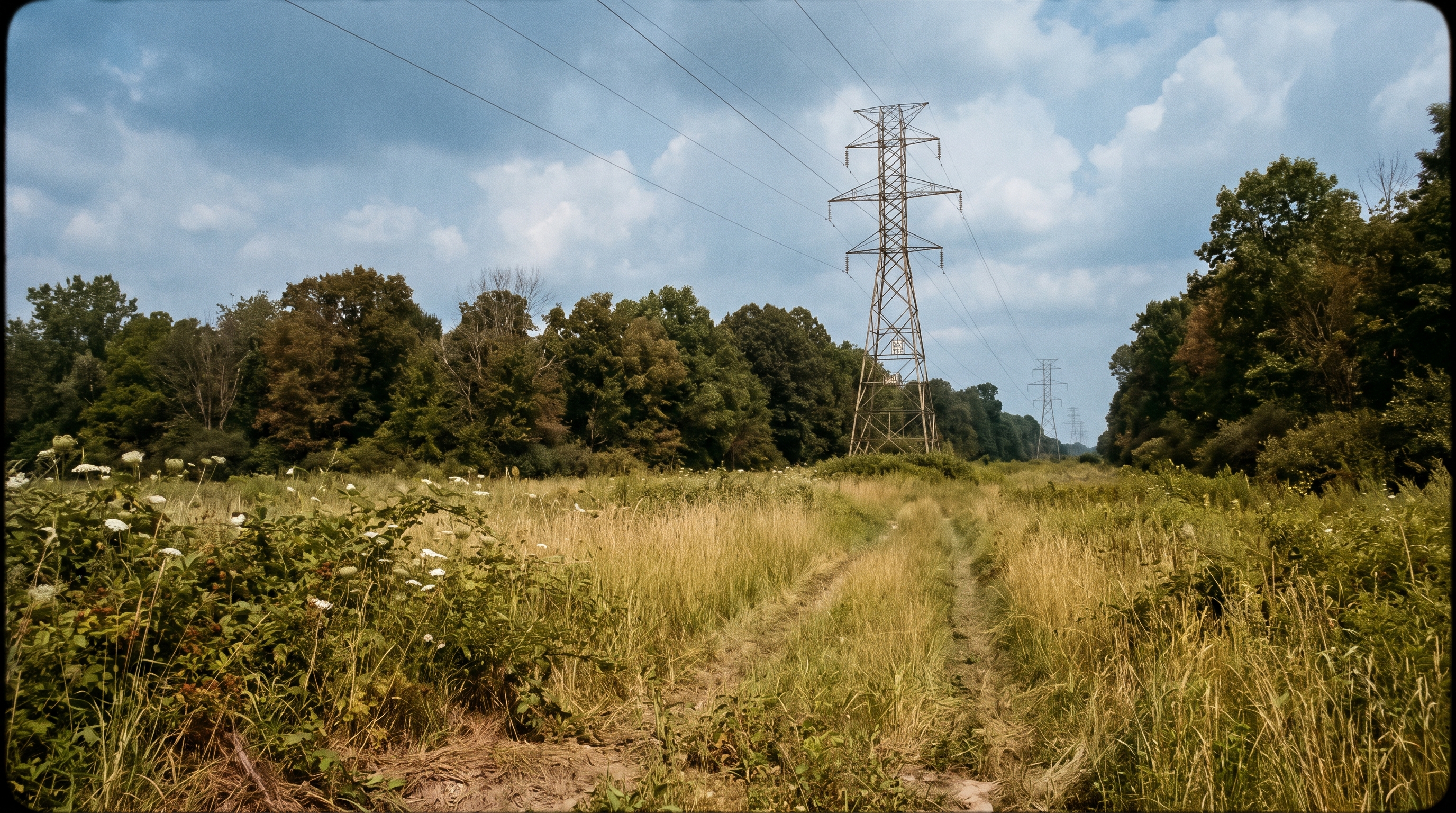
The power went out across a large part of the northeastern United States and parts of Canada on August 14, 2003. The final report by the joint U.S. and Canadian task force tracks the events down to particular lines, times, and places. That level of detail is part of how investigators worked out what had happened.
Some of the trouble began in Ohio. One early failure came after a high-voltage line touched a tree. Other lines in the region also failed, and problems with the tools that warned operators made the wider event harder to see as it grew. The task force found several causes working together, not one person or one tree that explained it all.
A power system can send more work to other lines after it loses one. If those lines are already carrying a lot, the next failure can make the job harder again. Operators need to know which line is out and where it sits in the system, not simply that power has been lost somewhere.
A person calling about a wire by the road is doing a much smaller job. The same need for a location shows up. A dispatcher has to turn what you saw into a place that someone else can find. The street, nearest cross street, and side of the road are useful if you can give them safely.
The blackout does not mean every local wire creates a larger outage. It does show why reports about a system become more useful when each event has an exact place.
What happened next?
A useful report starts with a place that another person can find.
Could a backyard project collect water from the air?
The drops on the outside of a cold glass came from the air. See how the video applies that idea to a small build and what the build asks you to do.
| Watch the Water Setup Video |
What can I do?
Stay far away from downed lines and anything they touch. Call 911 for a downed line or immediate danger and follow the dispatcher’s instructions.
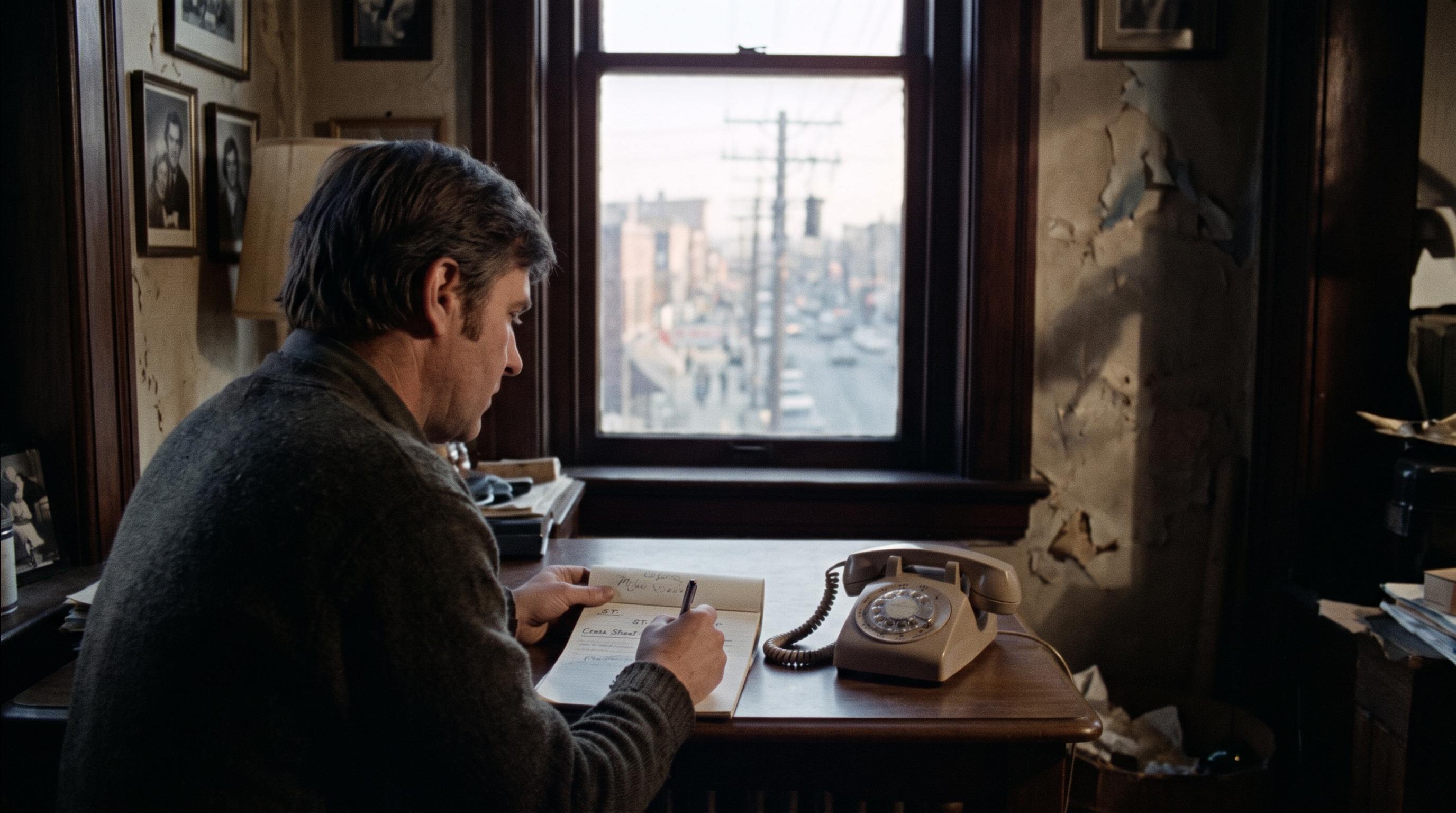
1. Save the utility’s outage reporting number in your phone. Use 911 for a downed line or immediate danger.
2. From a safe indoor spot, practice a short report: what happened, the nearest place you can name, and whether the road is blocked.
3. Write a three-line prompt and keep it with your outage plan. In a real event, stay away from the line and follow the dispatcher’s instructions.
My Downed-Line Call Script
☐ I finished the check or set a date for the next step.
Status check. You can give a short report without going closer to the line.
Takeaway. Give the place first. Stay well back.
Stay steady,
Jordan Davies
The Ready Report
P.S. What landmark would you use if you had to report a hazard on your street? Hit reply and tell me. If this would help a friend, forward it to them.
P.P.S. Two useful next reads:
Could one small spot grow something your family already eats?
Pick one ingredient you buy on repeat. The Modern Victory Garden shows ways to start in a container, on a patio, or indoors.
| See the Modern Victory Garden → |